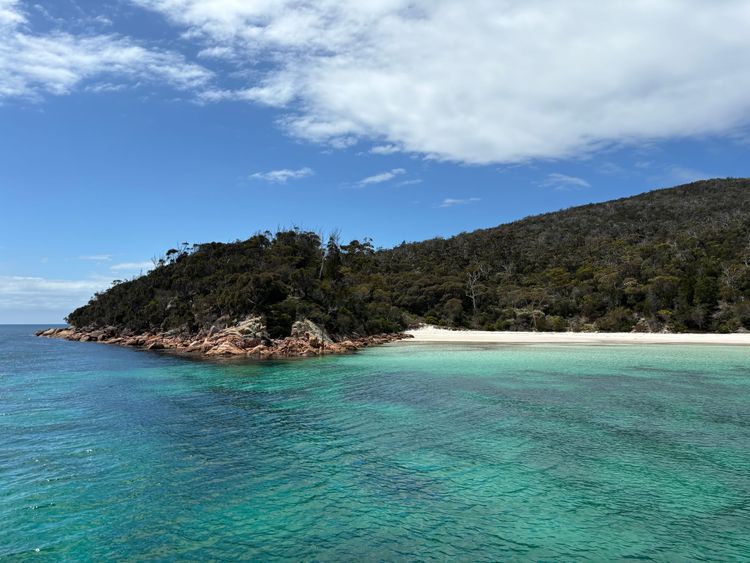
How to Do Hobart in a Long Weekend
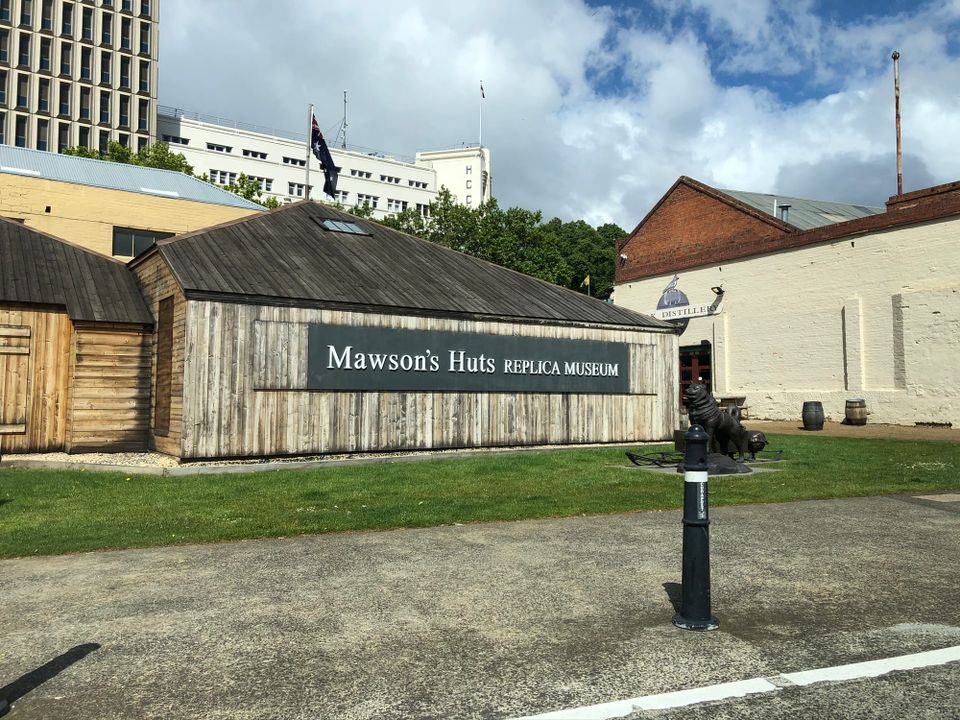
Hobart has a problem that most cities would kill for: it's become genuinely popular without losing the thing that made it worth visiting in the first place. The waterfront still works as a waterfront — actual fishing boats, actual fishermen — and the food scene has grown up without growing pretentious.
The standard Hobart guide will tell you to visit Salamanca Market, go to MONA, drive to Port Arthur. That's fine. You should do those things. But the difference between a good Hobart trip and a great one is usually found in the little unforgettable experiences that you find when you stop planning and just wander.
Here's how I'd spend a long weekend.
Getting There
From Melbourne, you fly. An hour and fifteen minutes to Hobart Airport, and Jetstar and Virgin both run the route frequently enough that fares are reasonable if you book a few weeks out.
The Spirit of Tasmania ferry is the romantic option — overnight from Port Melbourne to Devonport — but it makes more sense if you're bringing a car and doing a longer road trip around the island (1 to 2 weeks). For a Hobart long weekend, fly in and hire a car at the airport. You'll want the car for day trips or to drive up kunanyi/Mt Wellington, but Hobart itself is walkable.
Day One: Arrive, Settle, Eat Well
Drop your bags and walk. Hobart's waterfront — from Constitution Dock through Salamanca Place and into Battery Point — is one of the best urban walks in Australia, and it takes about an hour at a pace that allows for stopping and looking.
Battery Point is the neighbourhood most visitors simply walk past on the way to Salamanca. Don't. The narrow streets of sandstone cottages are genuinely beautiful, and the area has a village-within-a-city quality that rewards wandering. There's no particular destination — the pleasure is in the streets themselves.
For your first dinner, keep it waterfront. Fresh oysters and fish at one of the dockside restaurants is the right way to arrive. The seafood in Hobart is not performance art — it's just very good produce, simply handled. Ask what's local and seasonal rather than ordering from the specials.
Day Two: MONA, Then the Mountain
MONA
You already know you're going. Everyone goes, and everyone should.
The Museum of Old and New Art is best reached by the fast ferry from Brooke Street Pier — a 25-minute ride up the Derwent that's a pleasure in itself. The museum is confronting, funny, dark, and unlike anything else in Australia. Allow at least three hours, and don't try to see everything. Follow what interests you and ignore the rest. David Walsh built it to provoke, not to be consumed systematically.
The on-site wine bar is excellent. The grounds are worth an hour of wandering. If you can time it, check the events calendar — MONA hosts some extraordinary live programming, particularly around Dark Mofo (winter) and Mona Foma (summer).
Practical note: Book ferry tickets in advance during peak season. The Posh Pit (premium ferry) is fun but not essential.
When I was in Hobart many years ago, we wandered down the city’s laneways until we stumbled across a restaurant that still rates among my top 3 ever. It had atmosphere, cosy service, and the most amazing blue eye we ever ate. It no longer exists, but we found it simply by wandering along Salamanca Place and Wooby’s Lane and the restaurants in this area will not disappoint.
kunanyi / Mount Wellington
In the afternoon, drive up kunanyi / Mount Wellington. It's twenty minutes from the city to the summit, and the views from the top — Hobart laid out below, the Derwent stretching south, Bruny Island on the horizon — are genuinely spectacular.
Before you go – a word of warning: it's colder up there than you expect. Bring a jacket even in summer. The wind at the pinnacle can be fierce, and cold. Even worse when you get caught in an unexpected snowstorm. We say again: bring a jacket. You have been warned.
If you'd rather walk than drive, the Organ Pipes Track is a well-regarded route that takes you through alpine heath to dramatic dolerite columns. Allow two to three hours return and be prepared for weather changes.
Day Three: A Day Trip
You have three strong options, depending on what you want.
Bruny Island
An hour south of Hobart, including the short ferry crossing from Kettering. Bruny is the day trip that delivers the most for the least planning. The Get Shucked oyster farm is worth the drive on its own — fresh oysters, straight from the water, eaten standing at a table overlooking the channel. The Bruny Island Cheese Company and Bruny Island Premium Wines round out a food-and-wine morning without any effort.
If you're more active, the Neck — the narrow isthmus connecting North and South Bruny — has a short boardwalk climb to a lookout that's disproportionately beautiful for how easy it is.
The Huon Valley
Head south into the Huon Valley for orchards, cider, and Willie Smith's Apple Shed — one of those venues that manages to be both a tourist attraction and genuinely good. The valley is quieter than Bruny, more agricultural, and has a gentle quality that suits a slow day.
The Tasman Peninsula
Port Arthur is the main draw, and it's genuinely moving. The convict history is confronting and well-presented. Allow a half day for the site itself. Beyond Port Arthur, the peninsula has some dramatic coastal scenery — the sea cliffs and the Remarkable Cave are worth the extra driving.
This is the longest day trip of the three (about 90 minutes each way), so start early.
Day Four: Morning Markets, Then Fly Home
If you're leaving on a Saturday, the Salamanca Market is the obvious morning. It's large, well-run, and the food stalls are worth eating your way through. Go early — by mid-morning the crowds make it less enjoyable.
If it's not Saturday, spend your last morning at the Farm Gate Market (Sunday) or simply in one of the cafés in North Hobart, which has quietly become the neighbourhood with the most interesting food in the city. It's less polished than the waterfront and better for it.
Where to Stay
For location: Anywhere between the waterfront and Battery Point puts you within walking distance of everything. Salamanca Place is the obvious base, and the quality of accommodation there is generally high.
For character: The older hotels and guesthouses in Battery Point have a warmth that the waterfront apartments lack. Look for somewhere with actual personality — Hobart has plenty of it.
For budget: North Hobart has good options at lower prices, and you're still only a ten-minute walk from the waterfront.
What to Drink
Tasmania makes exceptional cool-climate wine, and you should drink it while you're there. The Coal River Valley is twenty minutes from Hobart and has several cellar doors worth visiting — the pinot noir from this region is among the best in Australia, and the prices are gentler than what you'd pay in a restaurant.
Tasmanian whisky has earned its reputation. If you're interested, Lark Distillery in Hobart has a cellar-door tasting experience that covers the basics well and does an exceptional cask strength single malt. It’s not cheap, but it has a genuine, well-earned reputation and that cask strength single malt rivals some of the most complex whiskys you will enjoy. We bought some on our honeymoon and it lasted many special occasions after then.
Cider is the other Tasmanian specialty, and Willie Smith's and Pagan Cider are both worth seeking out.
The Honest Version
Three nights is the sweet spot — enough to see MONA, eat well, do one day trip, and leave before you've exhausted the central options. Hobart is small enough that you'll get a feel for it quickly, and that's a feature, not a limitation.
Fly from Melbourne, hire a car, don't over-plan. Hobart rewards curiosity more than itineraries.
The Quiet Road covers regional Victoria, Tasmania, Italian slow travel, EV road trips, and the food and wine that connects it all. Subscribe to the newsletter for one recommendation every Friday.